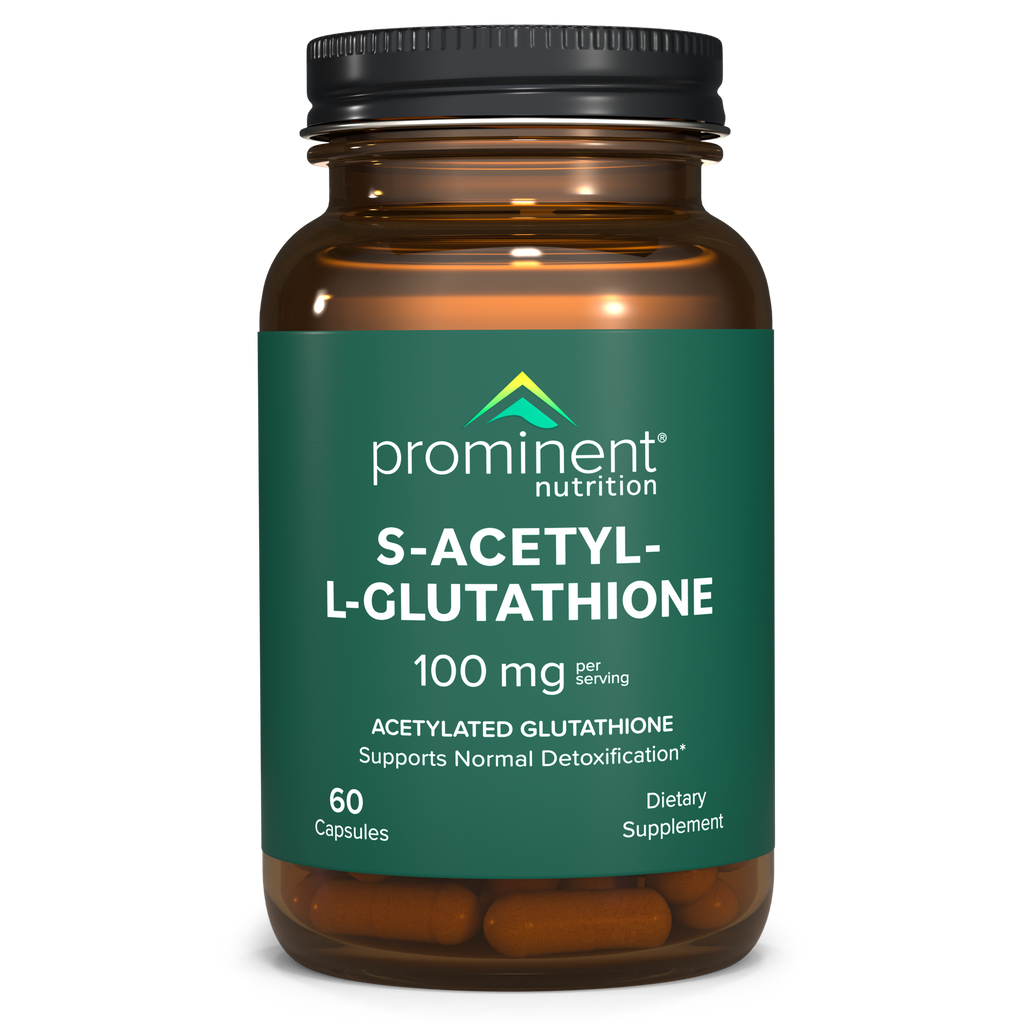
Pay in installments of $6.12 with
 ,
,
 and
and

Shipping Estimate
USA
- USA
- CAN
- USA
- CAN
Ships within 48 hours · Estimated delivery Sep 7 - Sep 12
 Promo Codes Available:
For Your Every Summer RSVP, with Code: SUMMER15
Description
Glutathione deficiencies were frequently seen in the sickest patients during the pandemic. This explains why individuals with poor diets, obesity or compromised gut health were more likely to have worse disease. #nac # Terra Health Essentials Liposomal Glutathione Chile Ubuy Glutathione and Side Effects: What You Need to Know for Better Health Performance Lab Can Glutathione Help You Recover From Mold Exposure? Amber Wellness Group
Shipping Notes
- Free Standard Shipping on $100+ Orders to the USA.
- Except Preorder products are shipped in 48 hours.
- Delivery to the USA:
- Standard Shipping : 3-10 business days
- If time is of the essence, please consider selecting expedited delivery for faster service.
Exchange/Return Notes
- We offer a 30-day return/exchange service after receiving.
- Final sale items are not eligible for returns or exchanges.
- To process your return/exchange, please contact us at [email protected]
- Please click here for more details>>> Return & Exchange Policy
4.6 ★★★★★
Based on 5 reviews
Sort
Product Reviews
★★★★★ 5
Face cloths that work.
Scent: Unscented, Size: 25 Count (Pack of 6)
They work as they should.
WAS THIS REVIEW HELPFUL?YesReportShare
Reviewed in the United States on February 4, 2026
★★★★★ 5
A Staple in my Skincare Routine
Scent: Unscented, Size: 25 Count (Pack of 3), Scent: Unscented, Size: 25 Count (Pack of 3)
I've been a huge fan of micellar products ever since they came onto the US market and these Simple Micellar Makeup Remover Wipes are no exception! Simple products are known to be gentle and easy on the skin. These wipes stay true to the brand and feel great on the skin!
I have combination, sensitive skin and over the years, I've become quite diligent in taking my makeup off before bed. Although I have tried countless popular brands in the past, these Simple Micellar Makeup Remover Wipes are the ones I keep coming back to time and time again. These wipes are my first step of action in removing my makeup and they do a pretty great job of taking off everything. I usually hold the wipe over my eye area for a few seconds to allow the makeup to break down and come off onto the wipe--I've found that this does a good job of removing my mascara, eye liner and shadow. These wipes do not cause any irritation to the eye area and are great to use on the sensitive skin of the face. To take off stubborn or waterproof makeup, I just apply a liquid eye makeup remover directly onto the wipe and have found this to be the easiest and least wasteful method. I usually wash my face afterwards with a gentle cleanser and continue on with my skincare routine. However, on the nights I'm really tired, I rely on these wipes to remove all of my makeup. These wipes do not leave any type of chemical residue behind and make my face feel fresh and clean.
The Simple Micellar Makeup Remover Wipes are a staple in my skincare routine. I keep one pack in my bedside table for easy access on the nights I'm too lazy to wash my face, one in my vanity, and another in my gym bag--I clearly like to stock up! I highly recommend these wipes; they are a must try for everyone!
WAS THIS REVIEW HELPFUL?YesReportShare
Reviewed in the United States on June 29, 2016
★★★★★ 5
Best miscellaneous wipe for the money
Scent: Unscented, Size: 25 Count (Pack of 4)
Excellent micellar wipe. Best value for the money.
WAS THIS REVIEW HELPFUL?YesReportShare
Reviewed in the United States on January 16, 2026
★★★★★ 4
Great, but different.
Scent: Unscented, Size: 25 Count (Pack of 4)
I've been buying these for a while now. I love them because I have really sensitive skin and these clean my face without leaving a greasy film, or irritating my skin like other face wipes do. Mind you, the only makeup I wear is mascara though, so it's really only cleaning off oil and dirt. They don't dry out my face either. The only problem I have with these, is that, the last batch I ordered (while in the same packaging, and having no difference in looks or labels) is different than what I had previously been receiving from the same company. They smell different (actually better in my opinion) and they do NOT remove my mascara as well anymore. I still love them, because it does help keep my face from being excessively oily and keeps it clean other than removing my mascara. Though I am disappointed that I now have to get a different brand wipe just for removing my mascara now.
WAS THIS REVIEW HELPFUL?YesReportShare
Reviewed in the United States on March 8, 2020
★★★★★ 5
Best of the facial wipes
Scent: Unscented, Size: 25 Count (Pack of 3)
I have used a lot of facial wipes. But, because of environmental reasons I am trying to cut back on the excess use of wipes which will go into a landfill. However, there are times when I am just too tired or too lazy to do a whole cleansing routine at night and I will reach for a wipe. These do a good job of taking off even waterproof makeup and yet still being gentle on the skin. I find I have no sensitivity to them(and I am sensitive to many, many things). I bought them specifically this time for my trip to Thailand because I knew it would be hot and humid and that I probably would need to cleanse my face a couple of times during the day from sweat and grime. They worked and I found them refreshing. I think I will always keep them on hand for the times I need them — this is by far my favorite brand.
WAS THIS REVIEW HELPFUL?YesReportShare
Reviewed in the United States on November 22, 2022
recommand products
can you take too much glp-1 Your guide to GLP-1 side effects-150cent
23.07
Clinical Recommendations to Manage Gastrointestinal Adverse Events in Patients Treated with Glp-1 Receptor Agonists: A Multidisciplinary Expert Consensus
23.14
How To Manage GLP-1 Side Effects
22.61
Overdose risks increase as demand for injectable weight-loss drugs on the rise, research finds
26.17
Your guide to GLP-1 side effects
28.82